Sawyer partners with hundreds of educators who are stars in their communities. From inspiring class content to engaging teaching styles, these educators are known for their enriching activities that empower both children and parents alike.
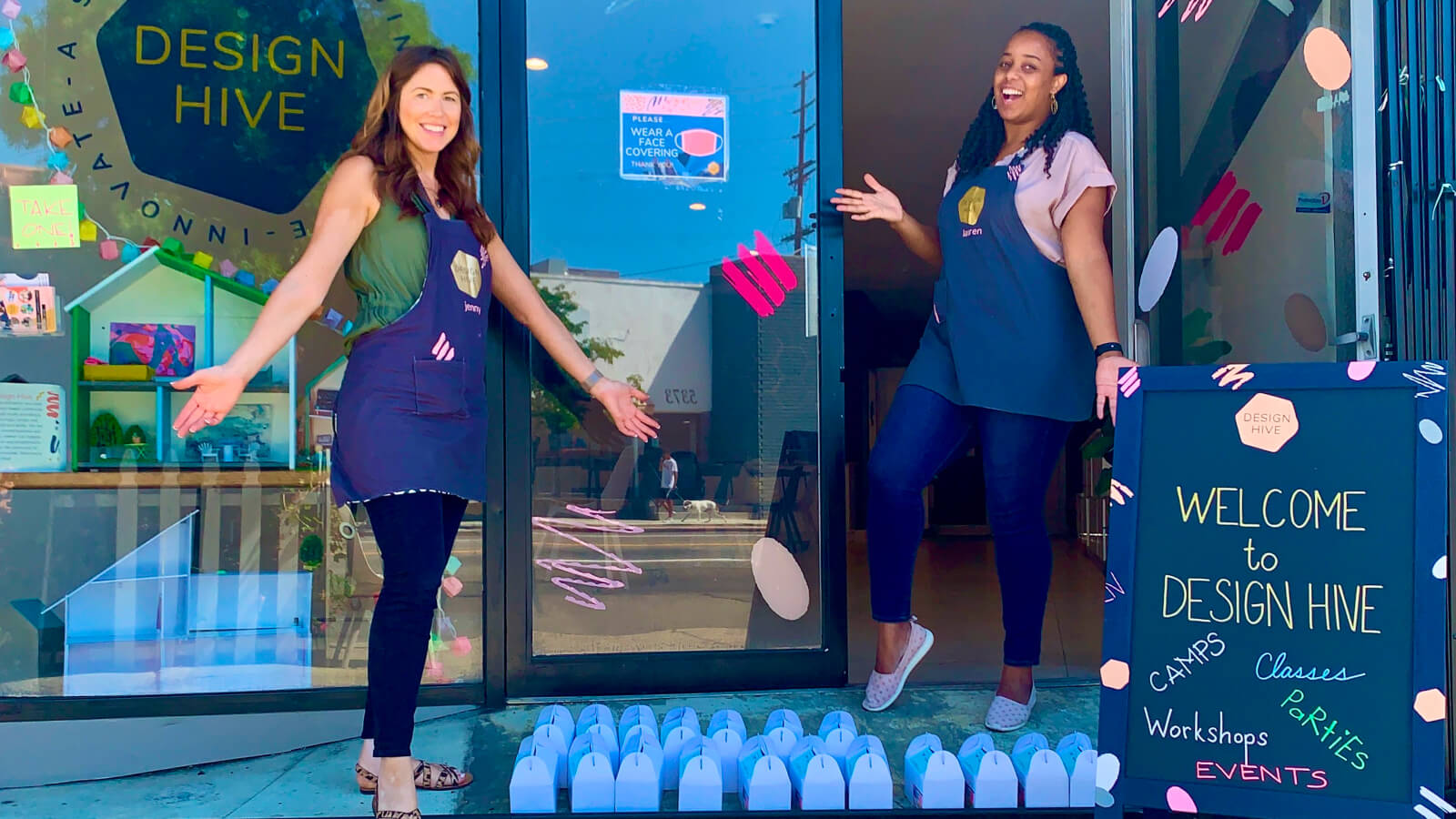
We got the opportunity to chat with Jennifer Cefaly, Founder and Chief Learning Officer, and Lauren Arshad, Founder and Chief Creative Officer at Design Hive, where STEAM, maker education, and creativity come together through hands-on classes, camps, and workshops that encourage children to explore, experiment, and build confidence. We spoke about about inspiring moments in and out of the classroom, the importance of out-of-school education, and how Sawyer helps them grow.
Thank you for taking the time to chat with us! I’d love to hear a bit more about you and why you started your business.
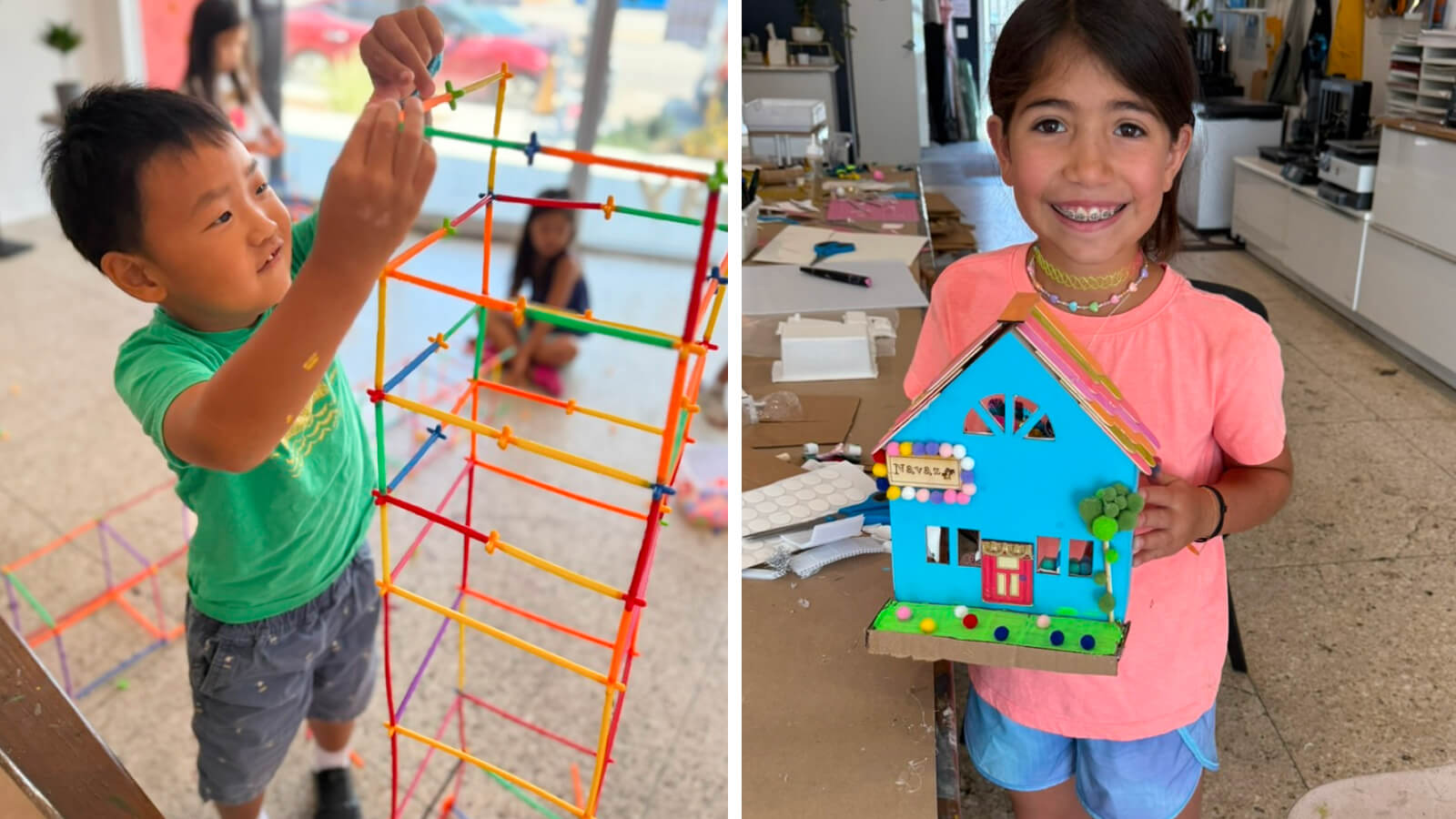
Design Hive was started by two working K-8 teachers. We wanted to create more opportunities for kids, families, and adults to participate in STEAM/Maker education and activities and experience maker education in a hands-on, meaningful way. Our work has expanded beyond our studio, to schools, museums, organizations, and corporations.
Can you describe an inspiring moment you’ve had as an educator?
We’ve had several inspiring moments courtesy of mothers who say they specifically choose Design Hive because they want their children to see women confidently leading in STEAM. It is incredibly meaningful to know that students are learning skills like 3D printing, laser cutting, circuitry, and design thinking from women educators who are modeling creativity, technical confidence, and problem-solving. Those moments remind us that representation is part of the learning experience, too.
What’s the most rewarding thing about teaching children?
The most rewarding thing about teaching children is watching them realize that they are capable of using real tools, solving real problems, and bringing their own ideas to life. At Design Hive, we love seeing students move from “I don’t know how” to “I made this,” whether they are building a circuit, designing on the computer, or creating something completely unexpected. Those moments of confidence, pride, and curiosity are what make the work feel so meaningful.
What’s one time a child surprised you and made your day?
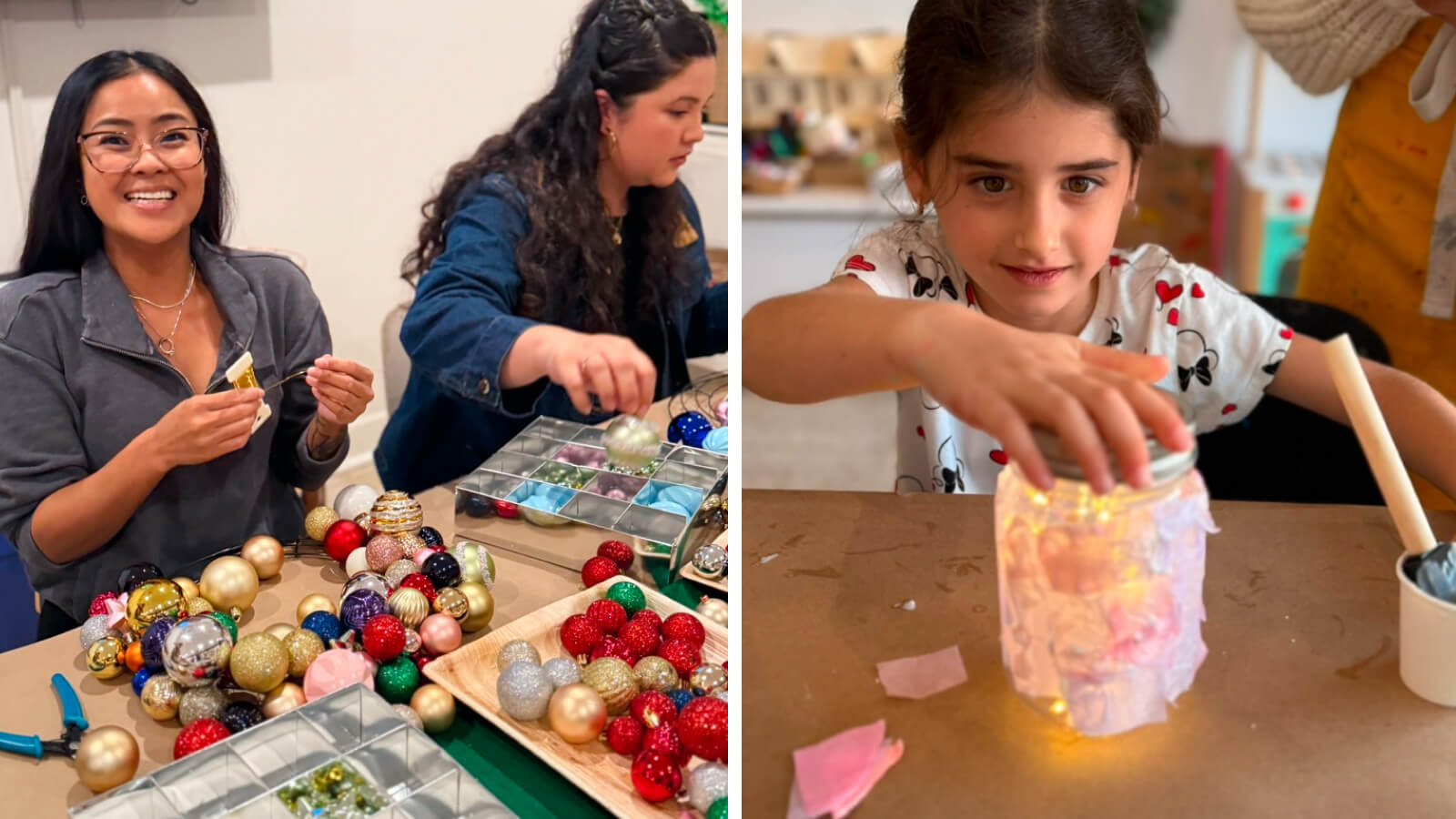
One thing that always surprises us and makes our day is when kids and families stop by the studio with magazines, interesting cardboard pieces, plastic materials, craft supplies, or other upcycled treasures because they “thought of Design Hive.” It is such a sweet reminder that our students are seeing the creative potential in everyday materials even outside the studio, and that they feel connected enough to contribute to the Maker community we are building together.
On a similar note, what’s the funniest thing a child has done in your class?
One of the funniest things children do in our classes is take the tiniest, most unexpected materials and turn them into very serious, fully developed characters or inventions. A scrap of cardboard, a googly eye, and a pipe cleaner suddenly become Professor Robot or a high-tech snack machine for hamsters, complete with a detailed backstory and very strong opinions. Those moments always make us laugh because children are so naturally imaginative, and they remind us not to take the creative process too seriously.
Why is after school/extracurricular enrichment and camp so important for children?
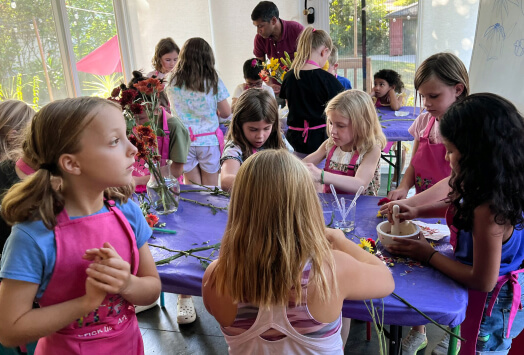
After school enrichment and camp are so important because they give children time and space to explore who they are outside of the traditional school day. These programs allow kids to try new tools, practice creativity, build friendships, take risks, and develop confidence in a lower-pressure environment. They also give children the chance to do a deeper dive into a subject, skill, or activity that interests them, whether that is art, engineering, design, technology, or hands-on making.
How do you think children can discover their passions when they’re not in school or your programs?
Children discover their passions when they have time, space, and encouragement to follow their curiosity in everyday life. That can happen through reading, drawing, building, cooking, exploring outside, asking questions, helping with a project at home, or simply having unstructured time to imagine and play. Passions often begin in small moments, and when children feel safe to experiment without worrying about doing things “right,” they start to learn more about who they are and what truly excites them.


.jpg)
.jpg)